Mount Etna
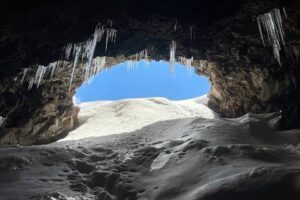
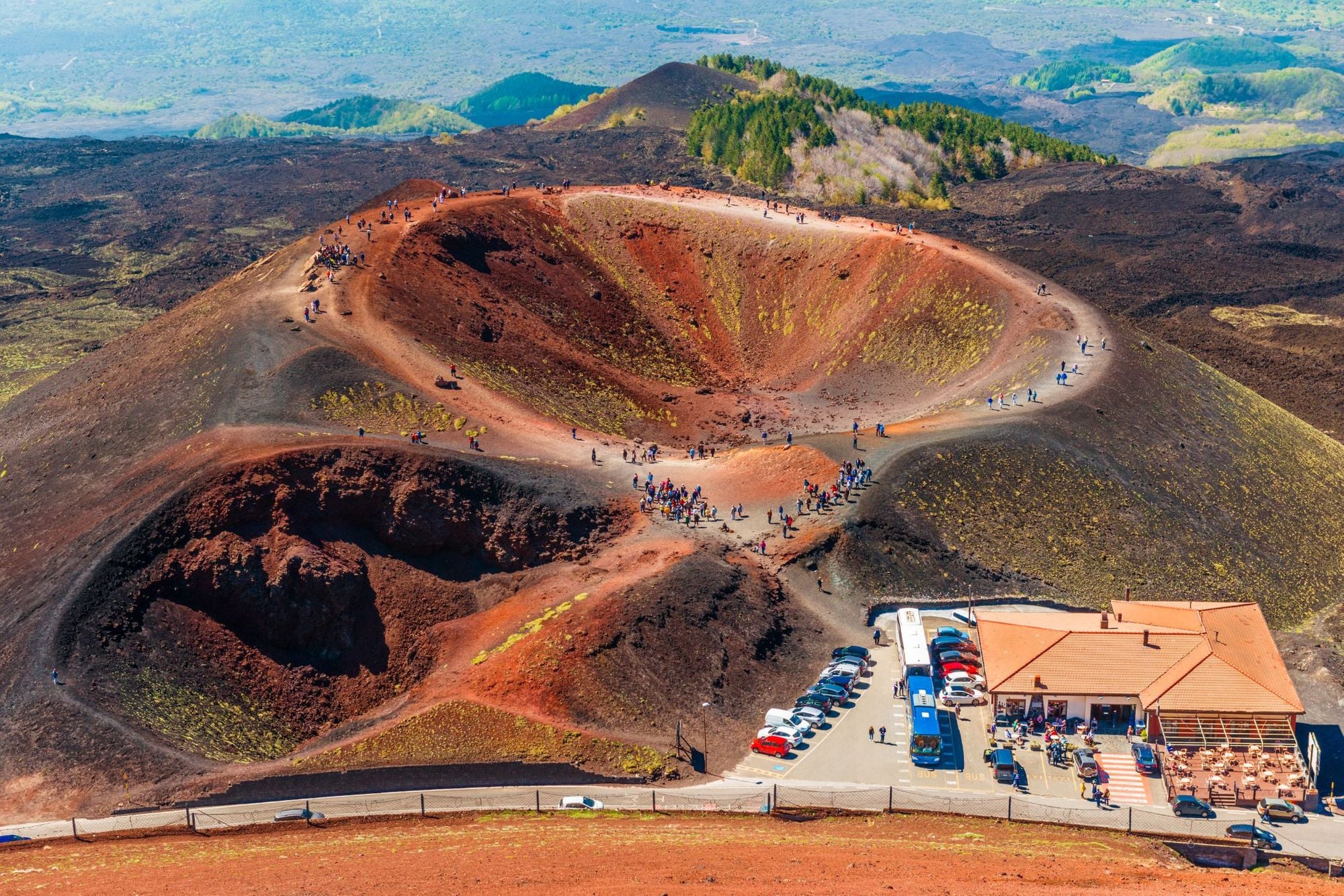
Mount Etna is one of the world’s most active and iconic volcanoes, rising above Sicily’s eastern coast as the highest mountain on a Mediterranean island. Its almost continuous activity has shaped an exceptional landscape of summit craters, cinder cones, lava flows, lava caves and the Valle de Bove, while providing an unusually long and well-documented record of volcanism.
Read the full description
Mount Etna rises above Sicily’s eastern coast as the highest mountain on a Mediterranean island, and remains one of the world’s most active and iconic volcanoes. Its almost continuous activity has created a landscape in constant geological evolution, marked by summit craters, cinder cones, lava flows, lava caves and the vast Valle de Bove depression.
Etna’s eruptions from the summit craters, together with fairly frequent lava flows from craters and fissures on its flanks, have been documented by humans for at least 2,700 years. This unusually long record of historical volcanism gives the mountain an exceptional scientific as well as cultural importance.
The diversity of its volcanic features, and their accessibility, have made Etna a significant destination for research and education. The defined area encompasses the mountain’s most outstanding geological formations, offering a particularly vivid understanding of the processes that continue to shape the island.
Infrastructure within the area is deliberately limited: a few forest and mountain tracks, basic mountain shelters along the main forest routes, more than 50 small seismic monitoring stations and a scientific observatory. The result is a strikingly direct encounter with Etna’s terrain and ongoing activity.
Gallery
Information
Address
Mt Etna, 95012 Castiglione di Sicilia, Metropolitan city of Catania, Italy