Discover Sicily

Search

Active filters

20 places found

Antonio Pasqualino International Puppet Museum

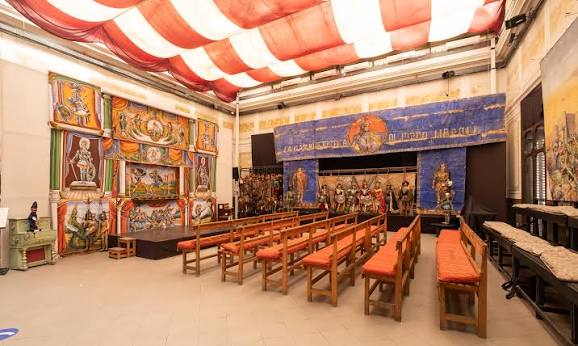
Founded in 1975 by the Association for the Conservation of Popular Traditions, the Antonio Pasqualino International Puppet Museum houses more than 5,000 marionettes, hand puppets, shadow puppets and stage machines from around the world. It preserves the largest and most complete collection of Palermo, Catania and Neapolitan pupi, while serving as a centre for safeguarding and sharing the theatrical heritage of Sicily and other puppet traditions.
Borgo Parrini Case Museo “I CAMPANILI A BORGO PARRINI” e Bar del Borgo

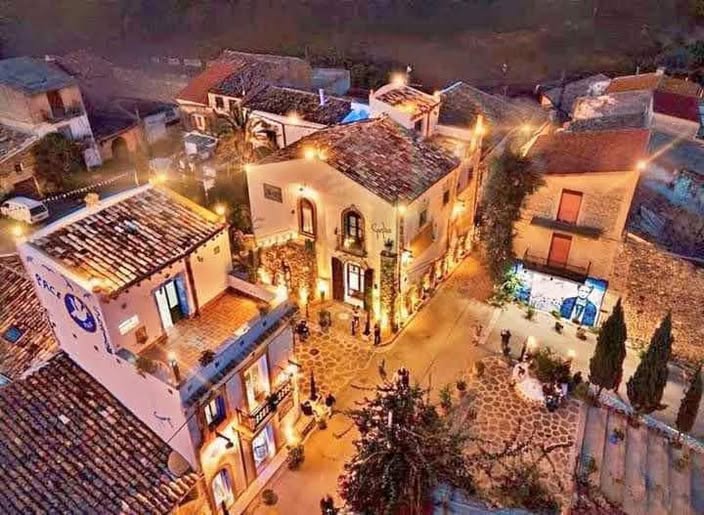
Borgo Parrini Case Museo "I CAMPANILI A BORGO PARRINI" e Bar del Borgo is a combined cultural attraction, café, bar, and souvenir stop in the colorful village of Borgo Parrini near Partinico, Sicily. It is best known for its artistically restored houses, vibrant streetscapes, and museum spaces that celebrate local history and creativity, making it one of the area's most photographed destinations.

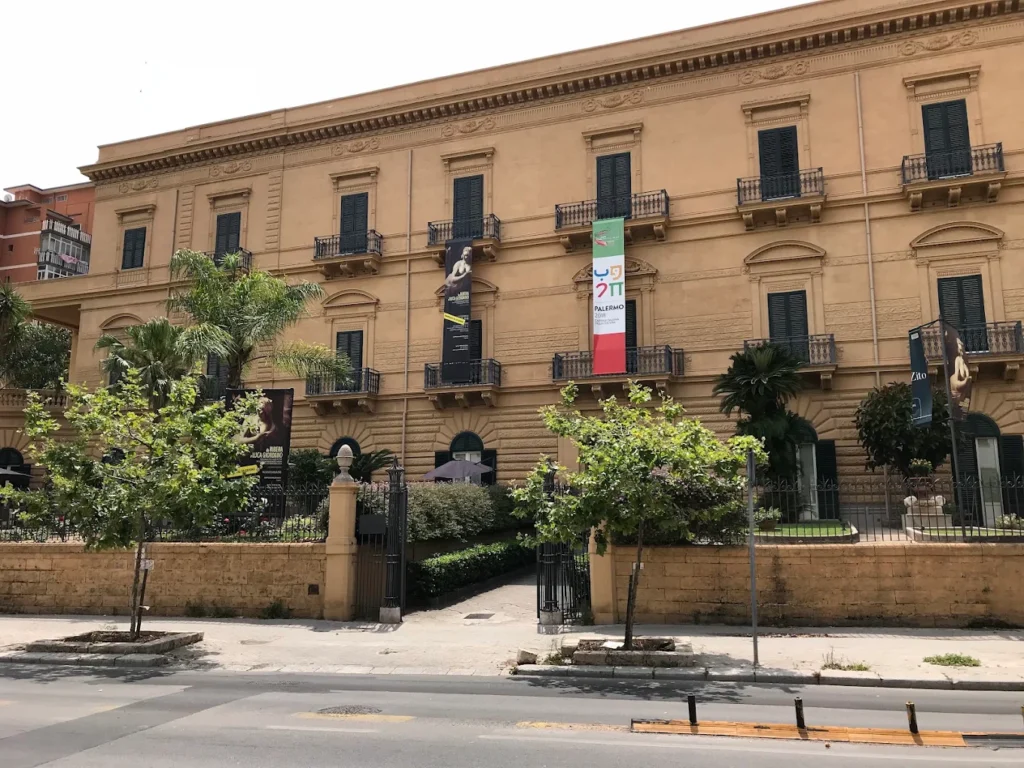
d’Aumale Palace – Regional Museum of Terrasini

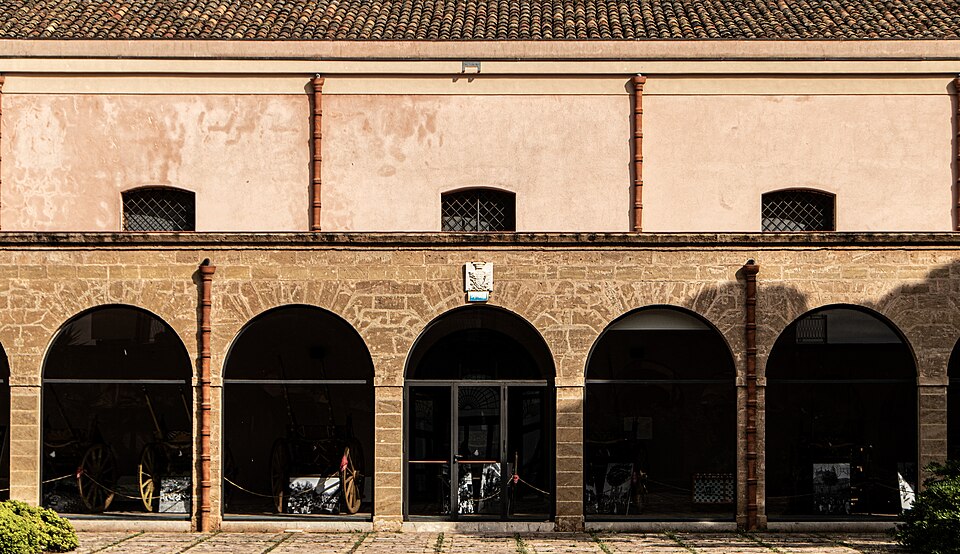
The Regional Museum of Palazzo d'Aumale was founded in April 2001 through an agreement between the Regional Department of Cultural Heritage and Activities and the Municipality of Terrasini, which granted Palazzo d'Aumale its use as the museum's home. The 19th-century building, located on the Terrasini seafront, was built by the Prince of Partanna and Duke of Floridia, Don Vincenzo Grifeo, and later acquired by the Duke of Aumale, son of Louis-Philippe, King of France, and Maria Amelia of Bourbon, to house the wine storage facilities the Duke produced on his Zucco farm, not far from Terrasini

Macc Museo Arte Contemporanea Carmine Scicli

MACC Museo Arte Contemporanea Carmine occupies the restored Carmelite convent complex on Scicli’s Piazza Busacca, founded in 1368 and rebuilt in the 18th century after the 1693 earthquake, with Rococo stucco by Giovanni Gianforma and an apse by Salvatore Alì. Opened to the public in May 2025, the museum currently presents around 50 works by Giorgio de Chirico alongside photographs by Giovanni Chiaramonte, Giuseppe Leone, Pino Ninfa and Armando Rotoletti.

Modern Art Gallery Sant’Anna

The Modern Art Gallery Sant’Anna is Palermo’s civic art gallery, presenting works from the nineteenth and early twentieth centuries in the ancient Kalsa quarter, beside Sant’Anna la Misericordia. Over more than a century, it has steadily expanded its collections and established itself as one of the city’s most modern and vital cultural institutions.

Palazzo Abatellis

Palazzo Abatellis is a majestic late-fifteenth-century residence in Palermo’s Kalsa quarter, built in the Gothic-Catalan style for Francesco Patella, known as Abatellis, port master of the kingdom and praetor of the city. Commissioned from the architect Matteo Carnalivari, it now houses the Galleria Regionale della Sicilia, the region’s gallery of art.

Palazzo Alliata Villafranca

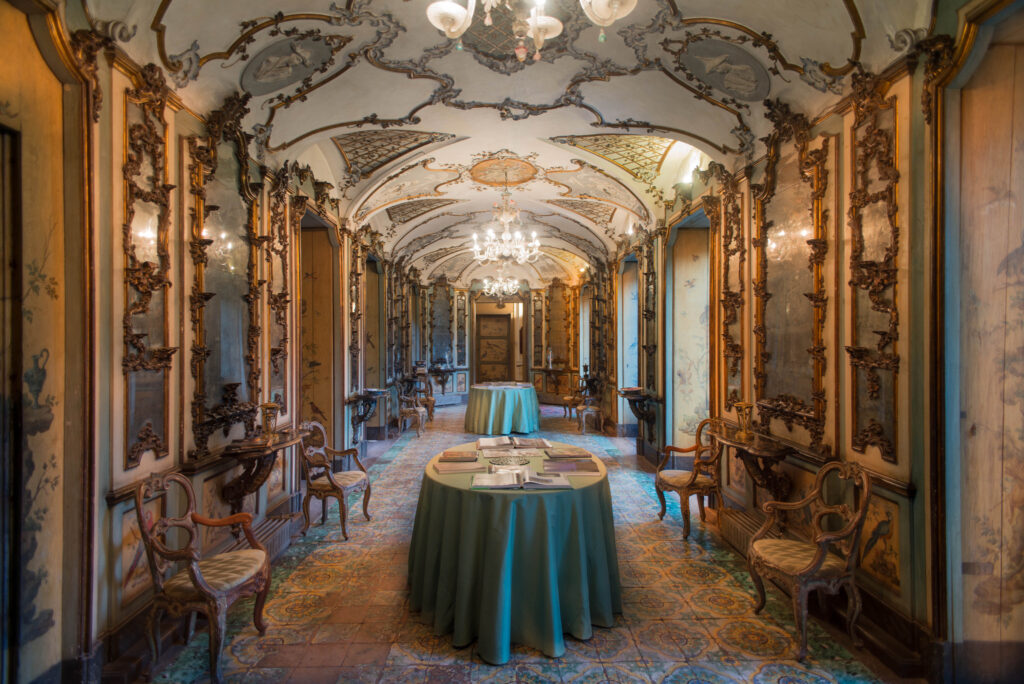
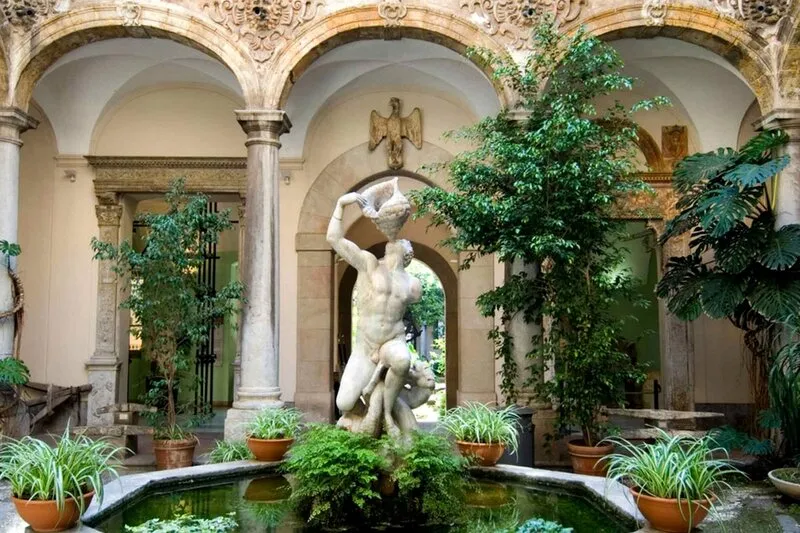
Palazzo Alliata di Villafranca is a historic aristocratic palace and cultural attraction in the heart of Palermo, Sicily. It is one of the city's most important surviving noble residences, known for its richly decorated state rooms, historic furnishings, and an outstanding private art collection that spans several centuries.

Palazzo Asmundo

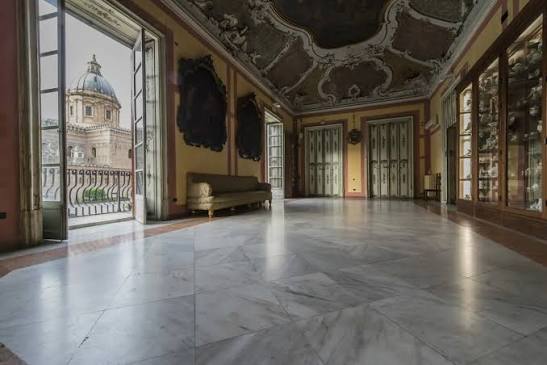
Palazzo Asmundo is a historic palace and house museum in Palermo’s old city center, directly opposite the cathedral. Built beginning in 1615 and completed in 1767, it combines Baroque interiors with museum collections and also houses the Asmundo Bistrò, making it a destination for art, history, and Sicilian dining.

Palazzo Biscari

Palazzo Biscari is an 18th-century Baroque palace in the historic center of Catania, Sicily, and remains the city's most prominent privately owned historic residence. Built by the Paternò Castello family after the devastating 1693 earthquake, it is celebrated for its lavish interiors, monumental architecture, and continued role as a venue for guided tours, concerts, exhibitions, and cultural events.

Palazzo dei Normanni

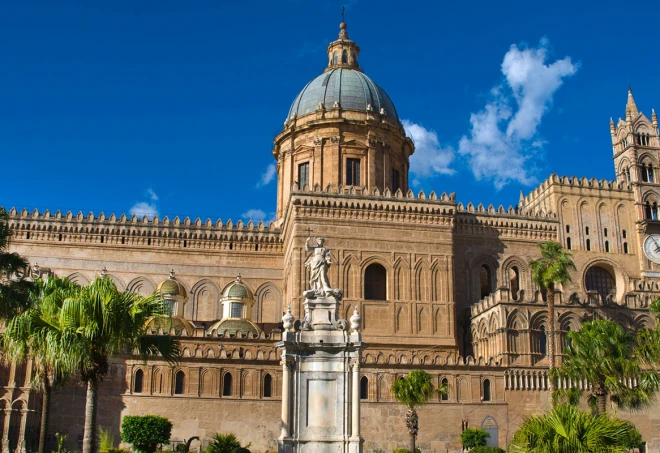
The Palazzo dei Normanni, Palermo’s former royal residence and one of Sicily’s most important historic monuments, stands at the heart of the city beside the Palatine Chapel. Part of Palermo’s UNESCO-recognised Arab-Norman heritage, it encompasses royal apartments, gardens and Punic Walls, while the 12th-century chapel is celebrated for its Byzantine mosaics, Islamic-influenced wooden ceiling and iconic golden Christ Pantocrator.

Palazzo Riso

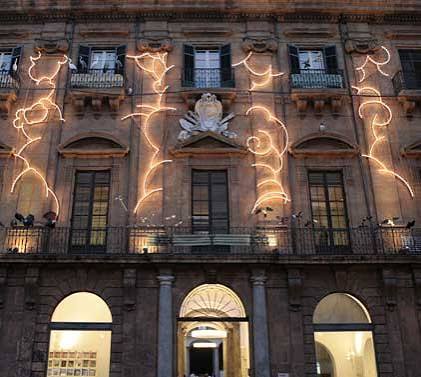
Palazzo Riso is a late-eighteenth-century noble residence in the heart of Palermo’s historic centre, where late Baroque magnificence meets Neoclassical rigour. Restored after years of abandonment, it has housed Riso, the Museum of Contemporary Art of Sicily, since 2005.

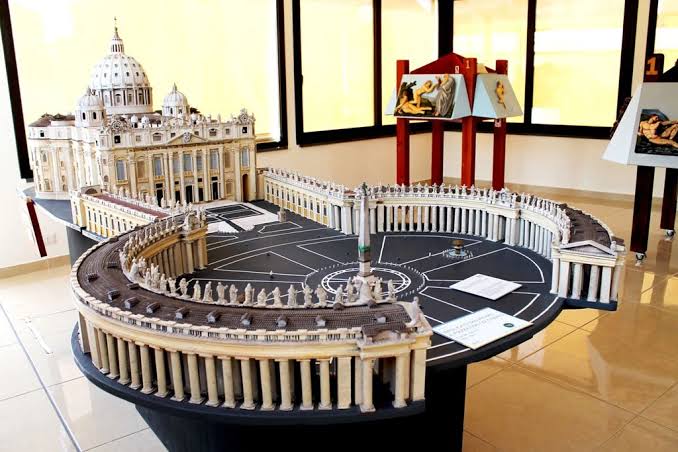
Polo Tattile Multimediale

Polo Tattile Multimediale is an inclusive cultural center in Catania dedicated to experiencing art and knowledge through touch. Opened in 2008, it is recognized for combining accessibility, education, and sensory experiences in a historic 18th-century building, making it distinctive in both Italy and Europe.

Regional Archeological Museum Antonio Salinas

The Antonio Salinas Regional Archaeological Museum is a true treasure trove for anyone interested in ancient history, located in the heart of Palermo on the picturesque island of Sicily, Italy. The museum boasts one of the richest and most significant archaeological collections in the country, vividly reflecting Sicily's centuries-old history through all its stages of development.

Roman Villa of Casale

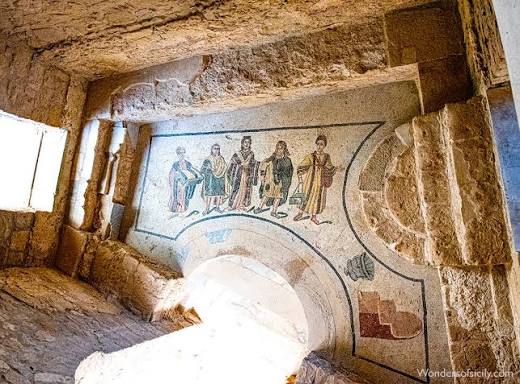
The Roman Villa of Casale, around 3 km from Piazza Armerina, is an elaborate fourth-century aristocratic residence offering an unusually detailed portrait of elite life in late Roman Sicily. Its 3,500 m² of exceptionally preserved mosaics include the spectacular Great Hunt and the famous ‘Bikini Girls’, while courtyards, reception rooms, private apartments, service areas and an extensive thermal complex reveal the scale of the estate.

Teatro Massimo di Palermo

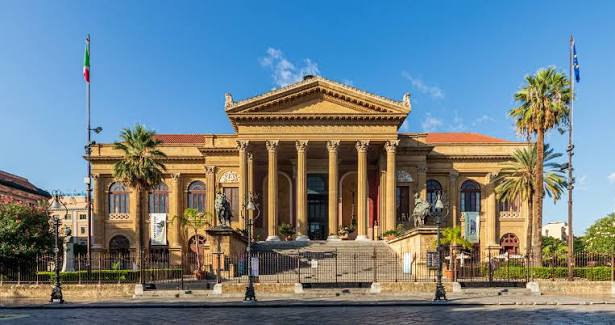
Teatro Massimo di Palermo is Italy’s largest opera house and one of Europe’s biggest, occupying a commanding position between the old city and its northern expansion. Designed by Giovanni Battista Filippo Basile, this neoclassical masterpiece encompasses grand state rooms, frescoed interiors and monumental staircases around an auditorium with five tiers of boxes and galleries.

The Greek Theatre of Syracuse

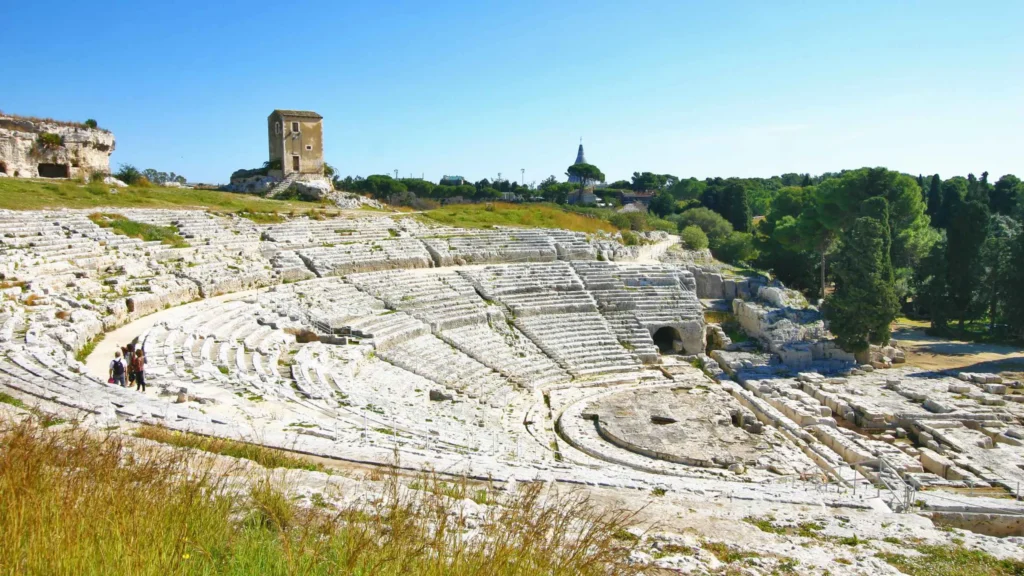
The Greek Theatre of Syracuse lies on the south slopes of the Temenite hill, overlooking the modern city of Syracuse in southeastern Sicily, Italy. It was first built in the 5th century BC, rebuilt in the 3rd century BC and renovated again in the Roman period The theatre represents the greatest example of theatrical architecture in Western Greece. It is unique in that it is almost entirely carved into the rock. In addition to performances, as was customary among the ancient Greeks, the theater was used for popular assemblies.

Valley of the Temples

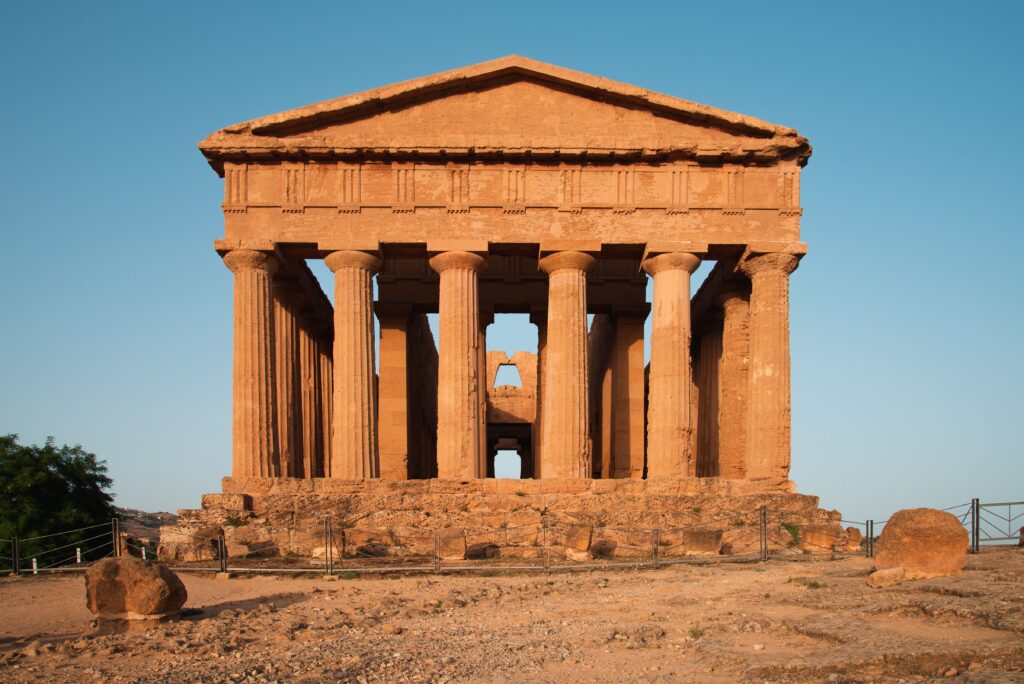
The Valley of the Temples is an archaeological park encompassing the monumental heart of ancient Akragas, with a remarkable series of well-preserved Doric temples from the Hellenic period. A symbol of Agrigento and one of Sicily’s defining cultural landmarks, it has been a UNESCO World Heritage Site since 1997 and, at 1,300 hectares, is the largest archaeological park in Europe and the Mediterranean.

ZACentrale

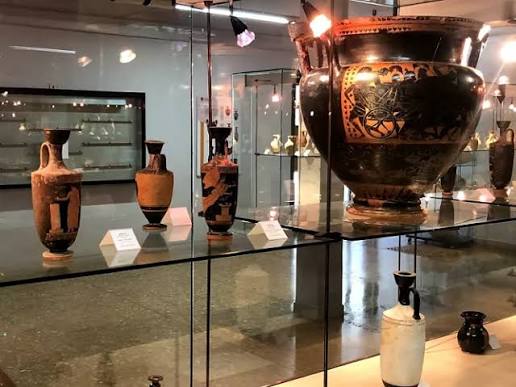
Established in 1965, Museo Regionale was the second such museum in Italy, following the one in Faenza. Its prehistoric and Greek collections include Neolithic wares, Greek red- and black-figure pottery and Hellenistic terracotta.

ZACentrale

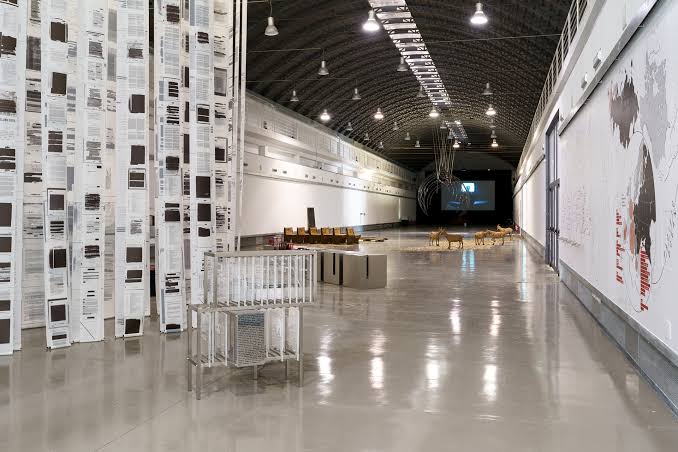
Housed in a vast former Studio Ducrot factory, once renowned across Europe for its 20th-century furniture design, ZACentrale is one of Palermo’s most significant contemporary art venues. Managed by Fondazione Merz, it occupies 17,000 square feet and serves as a hub for innovative interdisciplinary artistic practice.